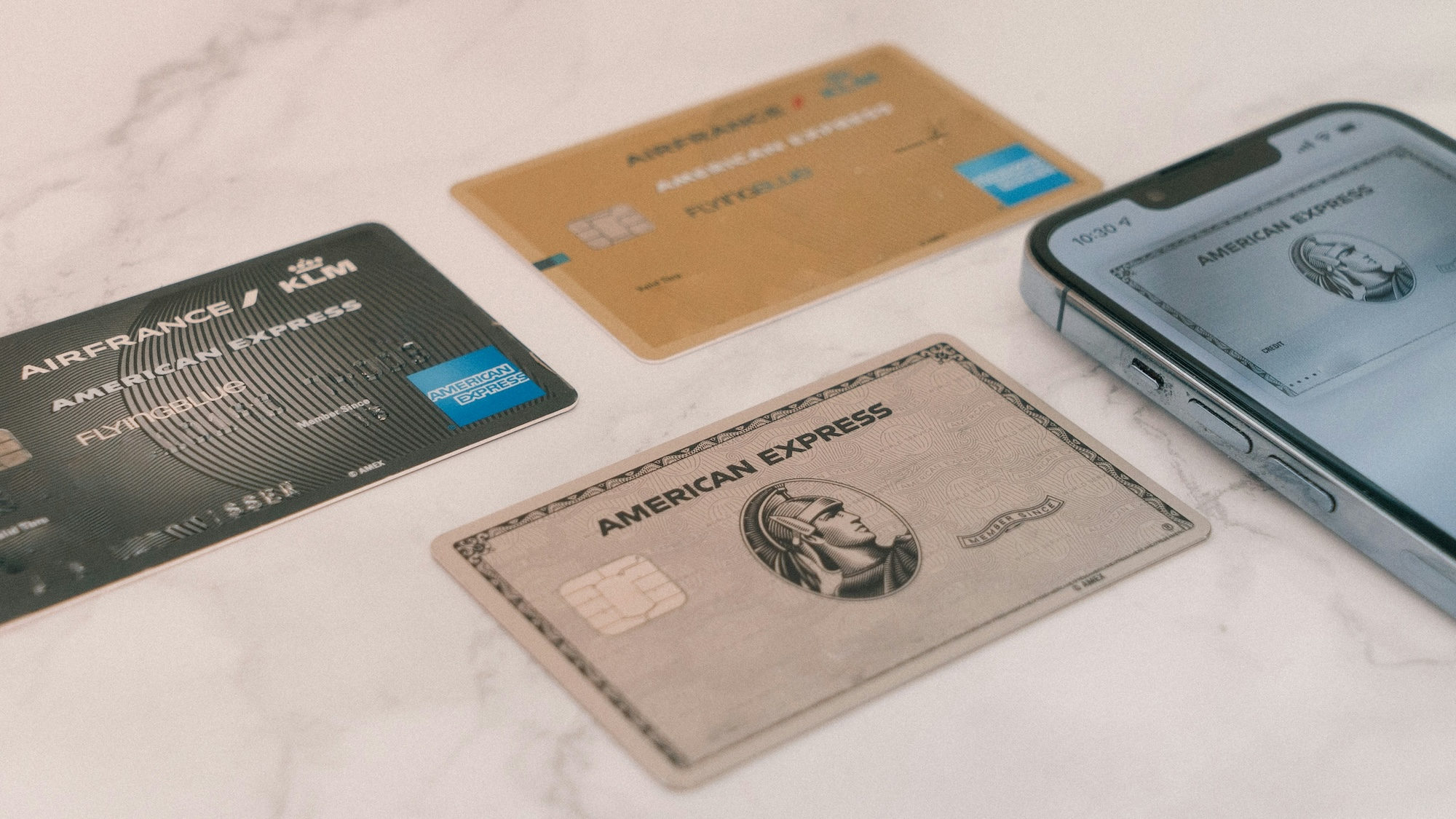
Here's the open secret of the credit card points world: business cards are the cheat code. Most business credit card issuers don't report account activity to your personal credit bureaus. That means your balances, your credit limits, and even the number of cards you hold stay invisible to Equifax, Experian, and TransUnion. Your personal credit score stays exactly where it is.
This matters because personal credit utilization - how much of your available credit you're using - accounts for roughly 30% of your FICO score. Stack up five personal cards with high balances and your score drops. Stack up five business cards with the same balances and your score doesn't move. For anyone serious about earning points, this is the foundation everything else is built on.
Which Issuers Report What
Not all business card issuers handle reporting the same way. Understanding who reports where is essential before you start applying.
Don't Report to Personal Bureaus
Chase, American Express, U.S. Bank, Citi, Bank of America, and Wells Fargo do not report regular business card activity to personal credit bureaus. Chase and Amex may report severe delinquency (90+ days late), but normal usage, balances, and on-time payments stay off your personal report entirely.
Do Report to Personal Bureaus
Capital One and Discover report all business card activity to personal credit bureaus, just like a personal card. If you carry a Capital One Spark card, every monthly balance shows up on your personal credit file. Avoid these if keeping business spending off your personal report is the goal.
Even issuers that don't report regular activity will still do a hard inquiry on your personal credit when you apply. That hard pull is a small, temporary hit (typically 5-10 points) that recovers within a few months. It's the ongoing reporting of balances and utilization that you want to avoid - and that's what most business cards shield you from.
Business Cards and the Chase 5/24 Rule
This is where business cards become truly powerful for points strategy. Chase's 5/24 rule counts how many personal credit cards you've opened in the past 24 months. If you're at five or more, Chase will automatically deny new applications.
But here's the key: most business cards do not count toward 5/24. Since issuers like Chase and Amex don't report business cards to personal bureaus, those cards don't appear on your personal credit report, and Chase can't see them when counting your 5/24 status. This means you can open Chase Ink business cards, Amex Business cards, Citi Business cards, and others without burning a single 5/24 slot.
The practical impact is enormous. Instead of being limited to five new cards every two years, you can realistically open five personal cards plus six to eight business cards in the same period. That's 11-13 welcome bonuses instead of five, potentially worth $8,000 to $15,000 in travel value.
Business cards don't count toward Chase 5/24. That single fact doubles the number of welcome bonuses most people can earn in a two-year cycle.
The Best Business Cards for Points
These are the business cards that deliver the strongest welcome bonuses and ongoing earning rates. All of them keep your personal credit report clean.
| Card | Key Benefit | Annual Fee |
|---|---|---|
3x on travel, shipping, internet, advertising Points transfer to Chase Ultimate Rewards partners |
$95 | |
1.5x on everything No annual fee, feeds into Chase ecosystem |
$0 | |
4x on top 2 spending categories each month Adaptive earning that follows your spending patterns |
$375 | |
5x on flights, 1.5x on purchases $5K+ Lounge access, Dell/Indeed credits, separate from personal Platinum |
$695 | |
5x on office supplies, internet, phone No annual fee, pairs with Ink Preferred for transfers |
$0 |

Who Qualifies for a Business Card?
You don't need a registered LLC or a storefront. The major issuers define "business" broadly. If you sell items online, do freelance work, drive for a rideshare service, rent out a spare room, tutor students, or earn any income outside of a traditional W-2 job, you have a business in the eyes of card issuers. Even reselling items on eBay or running a modest Etsy shop counts.
When you apply, you'll be asked for a business name (your legal name works as a sole proprietor), an industry category, years in business, and estimated annual revenue. Be truthful. You don't need to be earning six figures. A side hustle generating a few thousand dollars a year is a perfectly legitimate business.
Freelancing, consulting, tutoring, selling goods online, rental income, rideshare driving, pet sitting, photography - all of these qualify. If you report any self-employment income on your taxes (even on a Schedule C), you have a business. You do not need an EIN, though getting one from the IRS is free and takes two minutes.
The Stacking Strategy
The real power of business cards comes from stacking them alongside your personal cards in a planned sequence. Here's a framework that maximizes welcome bonuses while protecting your credit.
Start with Chase (personal and business)
Open your Chase personal cards first to fill 5/24 slots, then layer Chase Ink business cards on top. The Ink Preferred, Ink Cash, and Ink Unlimited can all be held simultaneously, and none count against 5/24.
Add Amex business cards
Once you've secured your Chase cards, move to Amex. The Business Gold, Business Platinum, Blue Business Plus, and Hilton Business cards all offer strong bonuses. Amex doesn't count toward 5/24 and doesn't report to personal bureaus.
Fill in with Citi and Barclays business
The Citi AAdvantage Business and Barclays business cards add airline-specific earning without personal credit impact. Citi doesn't report business cards to personal bureaus at all.
Space applications 90 days apart
Give yourself three months between applications to let hard inquiries settle, meet spending requirements comfortably, and avoid triggering issuer velocity limits. A steady pace is sustainable long-term.
Pitfalls to Avoid
Business cards are powerful, but a few common mistakes can undermine the strategy.
Don't miss payments. Even issuers that don't report regular activity will report severe delinquency (typically 90+ days late) to personal credit bureaus. A single missed payment can undo the entire benefit of keeping business cards off your personal report. Set up autopay on every business card.
Don't apply for Capital One or Discover business cards if your goal is to keep business spending off your personal credit. These issuers report everything, defeating the purpose.
Don't overextend on spending requirements. It's tempting to open three cards at once for the bonuses, but if you can't meet all three spending thresholds organically, you'll end up manufacturing spend or carrying balances - both of which erode the value of the bonuses you're chasing.
Keep your personal utilization low. Business cards help by keeping business balances invisible, but your personal cards still affect your score. Aim to keep personal card utilization below 10% for the best score impact.
The goal isn't to carry more debt. It's to earn more welcome bonuses and keep the resulting credit lines invisible to your personal credit report.
- Chase Ink Business Preferred 3x earning on travel, shipping, internet, and advertising
- Chase Trifecta Strategy Hack No. 05: Build the foundation before adding business cards
- Travel Freely Free tool to track 5/24 status and application history
- Welcome Bonus Timing Hack No. 11: Sequence applications for maximum value
For informational purposes only, not financial or professional advice. Card offers and program terms are subject to change. This site may earn compensation through affiliate links at no cost to you.
